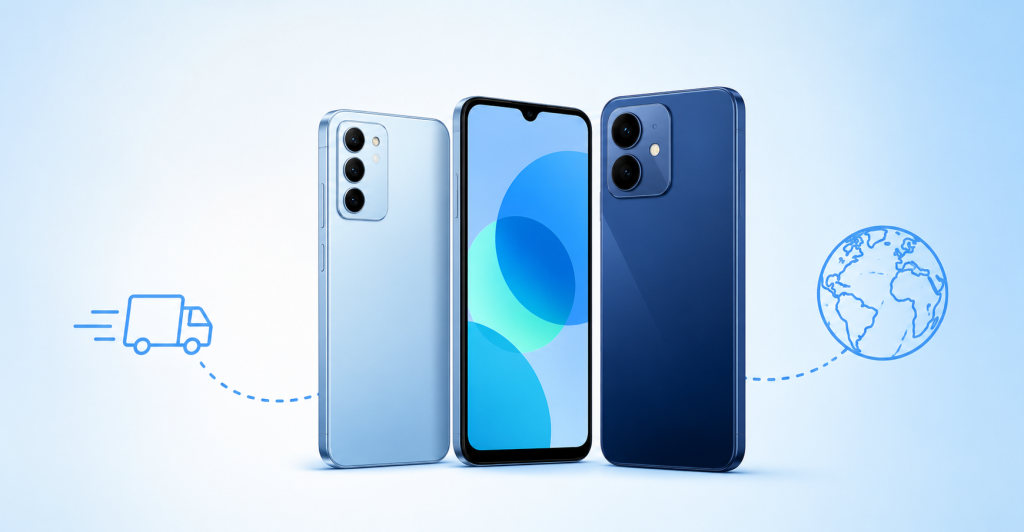

Smartphone Shipments are drawing renewed attention as manufacturers introduce AI-powered features, longer software support, and improved device performance to attract buyers. Around the world, consumers are showing increasing interest in upgrading their smartphones, particularly as new technologies make devices more capable for work, entertainment, and everyday communication.
The smartphone industry has entered a new phase where innovation is no longer centered solely on hardware. Artificial intelligence, advanced cameras, efficient processors, and enhanced battery life are becoming major factors influencing purchasing decisions. As companies launch new flagship and mid-range devices, smartphone shipments are benefiting from stronger consumer confidence and broader product availability.
Artificial Intelligence Is Changing the Smartphone Experience
Artificial intelligence has become one of the most significant additions to modern smartphones. Features such as real-time language translation, intelligent photo editing, voice assistance, text summarization, and personalized recommendations are now integrated directly into mobile operating systems.
Consumers increasingly expect their devices to perform tasks that previously required cloud-based applications or desktop software. AI-powered smartphones are helping users improve productivity while simplifying everyday activities. This growing demand is encouraging manufacturers to prioritize AI integration in upcoming product launches.
As software becomes more intelligent, smartphone upgrades are becoming attractive even for users whose existing devices still function well.
Premium Smartphones Continue to Attract Buyers
Despite economic uncertainties in several regions, premium smartphones continue to perform well. Consumers who rely heavily on mobile devices for photography, content creation, gaming, and business communication often choose flagship models offering advanced capabilities.
Manufacturers are also extending software support, giving buyers greater confidence that their investment will remain useful for many years. Longer update cycles have become an important competitive advantage among smartphone brands.
Foldable smartphones and high-performance camera systems are also creating excitement among technology enthusiasts, encouraging premium device shipments across multiple markets.
Emerging Markets Create New Growth Opportunities
Developing economies continue to represent important destinations for smartphone manufacturers. Expanding internet connectivity, digital payment adoption, online education, and mobile-first business services are increasing smartphone ownership across these regions.
Affordable 5G smartphones are making advanced connectivity accessible to more consumers than ever before. As network infrastructure expands, users are replacing older devices with models that support faster mobile internet speeds and enhanced digital experiences.
Local manufacturing initiatives and competitive pricing strategies are further helping brands strengthen their presence in emerging markets.
Sustainability Is Becoming a Competitive Advantage
Environmental awareness is influencing smartphone purchasing decisions. Many manufacturers now emphasize recycled materials, energy-efficient production methods, and repair-friendly designs.
Consumers are also paying closer attention to product longevity. Devices that receive long-term software updates and offer easily replaceable components are gaining popularity among environmentally conscious buyers.
Several companies have reduced packaging waste by removing unnecessary accessories and using recyclable materials, reflecting broader sustainability goals across the consumer electronics industry.
Camera Innovation Remains a Major Selling Point
Photography continues to be one of the strongest reasons consumers upgrade smartphones. Manufacturers are investing heavily in computational photography, AI-enhanced image processing, larger sensors, optical zoom technology, and improved low-light performance.
Content creators, social media users, and mobile filmmakers increasingly rely on smartphones for professional-quality photos and videos. As camera technology continues to evolve, smartphone shipments receive additional momentum from users seeking improved imaging capabilities.
Video recording enhancements, image stabilization, and editing tools integrated directly into smartphones further increase their appeal.
Supply Chains Show Greater Stability
Following several years of component shortages and logistics disruptions, global supply chains have become more stable. Manufacturers have improved inventory planning while suppliers have increased production efficiency.
Improved component availability allows smartphone brands to launch products on schedule and meet consumer demand more effectively. Retailers also benefit from consistent inventory levels, reducing delays that previously affected purchasing decisions.
More resilient supply chains enable companies to respond quickly to changing consumer preferences while maintaining competitive pricing.
Software Ecosystems Strengthen Customer Loyalty
Beyond hardware specifications, software ecosystems continue to shape smartphone purchasing decisions. Consumers increasingly value seamless integration between smartphones, tablets, laptops, smartwatches, and connected home devices.
Cloud synchronization, secure data transfer, cross-device productivity tools, and unified app experiences encourage users to remain within familiar ecosystems. As companies continue expanding connected device portfolios, smartphone shipments benefit from stronger brand loyalty and recurring upgrades.
Subscription services, digital wallets, and AI assistants further enhance long-term customer engagement.
Competition Encourages Continuous Innovation
Competition among smartphone manufacturers remains intense across every price segment. Established brands compete with emerging companies that introduce feature-rich devices at competitive prices.
Consumers benefit from this competition through faster innovation, improved software experiences, enhanced camera performance, better displays, and longer battery life. Manufacturers continue investing in research and development to differentiate their products in an increasingly crowded marketplace.
The rapid pace of innovation ensures that smartphone technology continues evolving to meet changing consumer expectations.
Future Outlook
The outlook for smartphone shipments remains positive as artificial intelligence, premium device innovation, expanding 5G adoption, and digital transformation continue influencing consumer demand. Manufacturers are focusing on delivering smarter software experiences while improving sustainability, security, and long-term usability.
Future smartphones are expected to become even more personalized, intelligent, and connected through advances in on-device AI, faster processors, satellite communication capabilities, and improved battery technologies. As digital lifestyles continue expanding across both developed and emerging markets, smartphone shipments are likely to remain an important indicator of technology adoption and consumer confidence.
With continuous innovation, resilient supply chains, and evolving consumer expectations, the smartphone industry is well positioned to support the next generation of mobile experiences.