

1X’s New Robotic Hand Brings Humanoid Robots One Step Closer to Reality
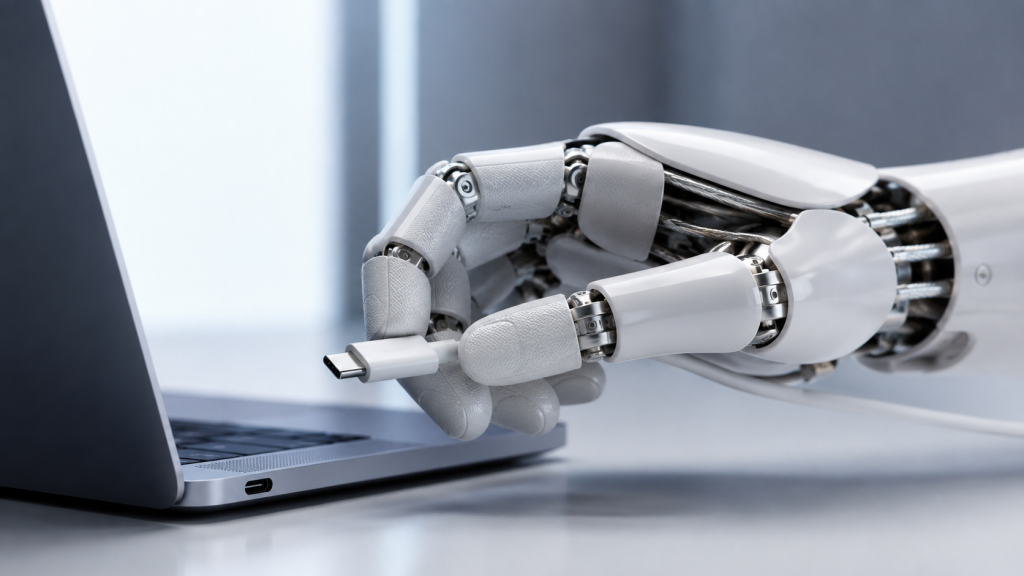
Humanoid robotics company 1X Technologies has introduced an advanced robotic hand for its NEO humanoid robot, representing a major breakthrough in robotic dexterity. Designed to closely mimic the movement, flexibility, and precision of the human hand, the new system could significantly expand the role of humanoid robots in homes, healthcare, and service industries.
The announcement marks another milestone in the rapidly evolving robotics sector, where companies are racing to create machines capable of performing everyday human tasks safely and efficiently.
A Hand Designed to Match Human Dexterity
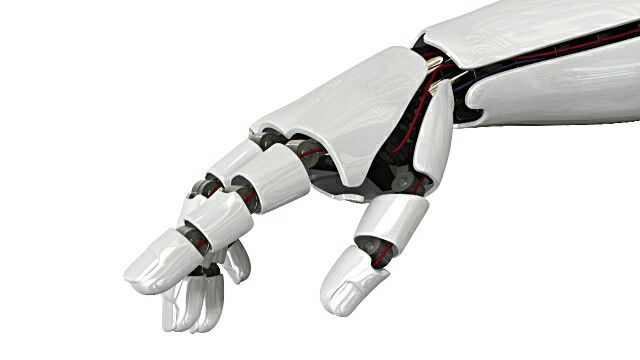
One of the biggest challenges in humanoid robotics has always been replicating the complexity of the human hand. Unlike traditional robotic grippers, which are limited to simple pick-and-place operations, the new NEO hand has been engineered to perform delicate and highly coordinated movements.
According to 1X Technologies, the robotic hand features 25 degrees of freedom, approaching the 27 degrees of freedom found in a human hand. The tendon-driven design enables the robot to pinch, twist, grip fragile objects, and manipulate everyday household items with remarkable precision.
Built for Everyday Household Tasks
The enhanced robotic hand is capable of performing a wide range of domestic activities, including:
- Pouring beverages
- Plugging in USB-C cables
- Handling delicate fruits
- Opening packaging
- Using household tools
- Communicating through sign language
The hand also incorporates tactile sensing that allows it to detect pressure and slippage, enabling it to adjust its grip in real time when handling fragile or irregularly shaped objects. This level of responsiveness represents a significant improvement over conventional robotic end-effectors.
Advanced Engineering Behind the Design
Rather than placing heavy motors inside the fingers, 1X positions the actuators within the robot’s forearm. Motion is transmitted through tendon-like mechanisms, reducing overall weight while improving control, responsiveness, and safety.
The robotic hand is also:
- IP68-rated for water resistance
- Fully backdrivable for safer human interaction
- Equipped with force-controlled joints
- Built with integrated tactile sensors
- Designed for high-speed, precise motion
These engineering choices allow the robot to safely interact with people while maintaining the strength required for everyday lifting and manipulation tasks.
Why Dexterous Hands Matter
Industry experts have long viewed robotic hands as one of the most difficult engineering challenges in humanoid robotics. While advances in artificial intelligence have significantly improved perception and decision-making, robots remain limited if they cannot physically interact with their surroundings effectively.
A highly dexterous robotic hand dramatically broadens the range of tasks a humanoid robot can perform, from household chores and elderly assistance to logistics, healthcare support, manufacturing, and retail services.
For developers, more capable hardware also creates opportunities to train increasingly sophisticated AI models using real-world interactions.
Competition in the Humanoid Robotics Industry
The announcement comes amid intense competition in the global humanoid robotics market.
Several companies are developing increasingly capable humanoid systems, including:
- Tesla (Optimus)
- Figure AI
- Agility Robotics
- Apptronik
- Sanctuary AI
- Unitree Robotics
While many competitors continue to prioritize industrial environments and warehouse automation, 1X is focusing on creating robots specifically designed to operate safely inside homes.
This consumer-oriented strategy could position the company uniquely as demand for personal robotic assistants continues to grow.
What This Means for the Robotics Industry
The development of highly dexterous robotic hands represents more than just a hardware upgrade—it removes one of the biggest barriers to practical humanoid robots.
As robotic manipulation becomes more human-like, industries including healthcare, hospitality, logistics, smart homes, and elder care may increasingly adopt humanoid assistants capable of interacting naturally with existing tools and environments.
Combined with rapid advances in generative AI and autonomous decision-making, these innovations could accelerate the commercialization of consumer humanoid robots over the coming years.
Conclusion
The unveiling of the NEO robotic hand demonstrates how rapidly humanoid robotics is evolving. By combining near-human dexterity, sophisticated tactile sensing, and AI-powered control, 1X Technologies has taken a significant step toward making home robots practical for everyday use.
While widespread household adoption is still developing, innovations like these continue to narrow the gap between experimental robotics and real-world applications.
Frequently Asked Questions
What is the NEO robot?
NEO is a humanoid robot developed by 1X Technologies for household assistance and everyday domestic tasks.
What makes the new robotic hand unique?
It offers 25 degrees of freedom, tendon-driven actuation, tactile sensing, and force-controlled joints that closely replicate human hand movements.
What tasks can the robotic hand perform?
It can manipulate delicate objects, plug in cables, pour liquids, use household tools, and perform many fine motor tasks safely.
Why is robotic dexterity important?
Greater dexterity enables robots to interact naturally with everyday environments, making them more useful for homes, healthcare, logistics, and service industries.