Skip to content
Logo Daily Market Trends Daily Markets Trends

Daily Markets Trends

  • Home
  • About Us
  • Contact Us
  • Privacy Policy

Electric Vehicles

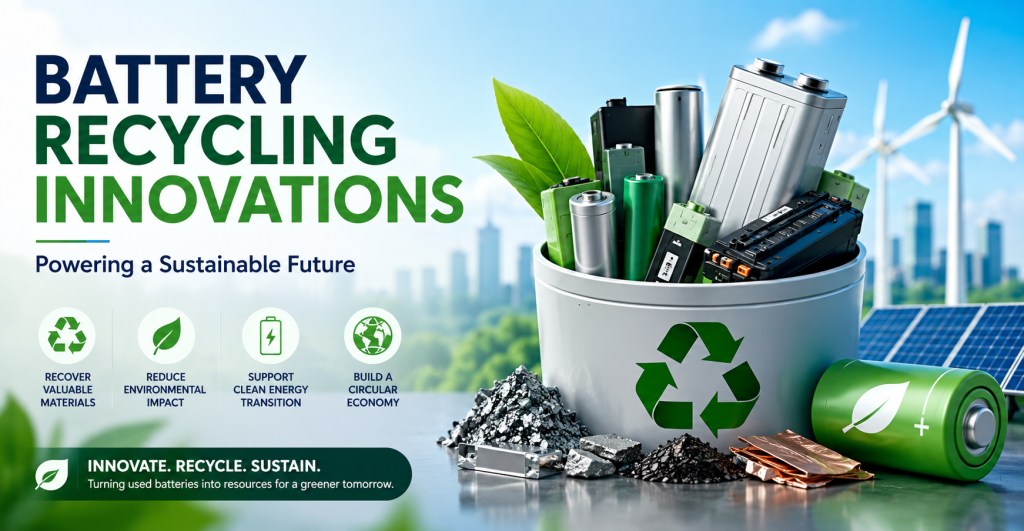
Battery Recycling Innovations
Posted inTechnology

Battery Recycling Innovations Transform the Future of Sustainable Energy

As electric vehicles, renewable energy storage systems, and portable electronics become increasingly common, battery recycling innovations are emerging as one of the most significant sustainability trends of 2026. Governments, manufacturers,…
Posted by Vaibhavlaxmi July 2, 2026
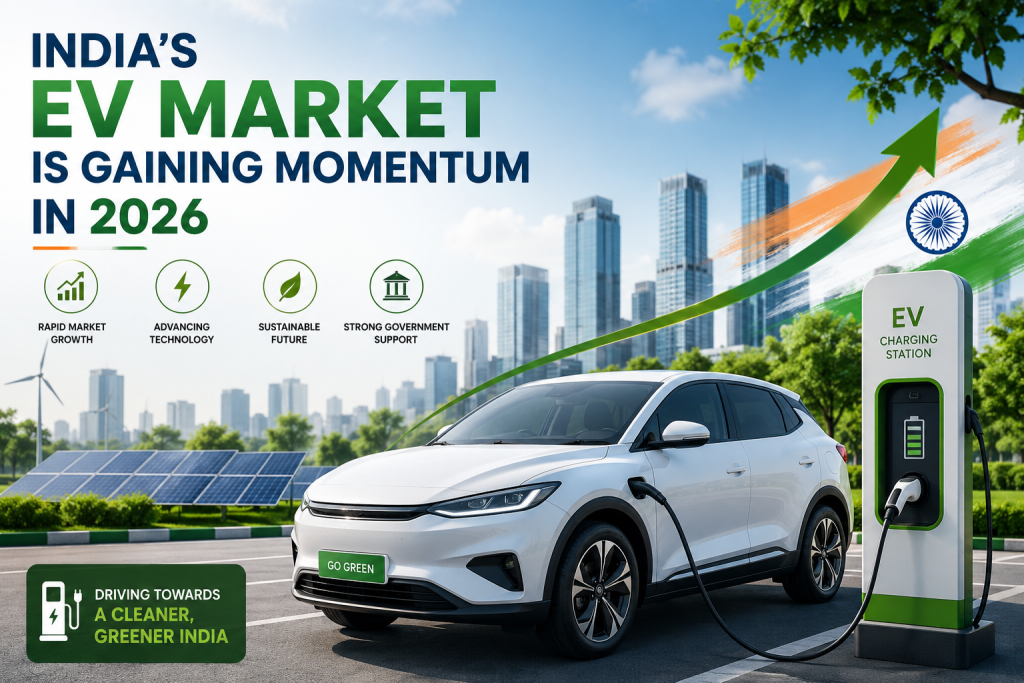
India's EV Market Is Gaining Momentum in 2026
Posted inTrending

Why India’s EV Market Is Gaining Momentum in 2026

India's electric vehicle (EV) market is entering a new phase of rapid growth in 2026. Once considered a niche segment, EVs are now becoming a mainstream transportation choice for individuals,…
Posted by Dipak June 30, 2026
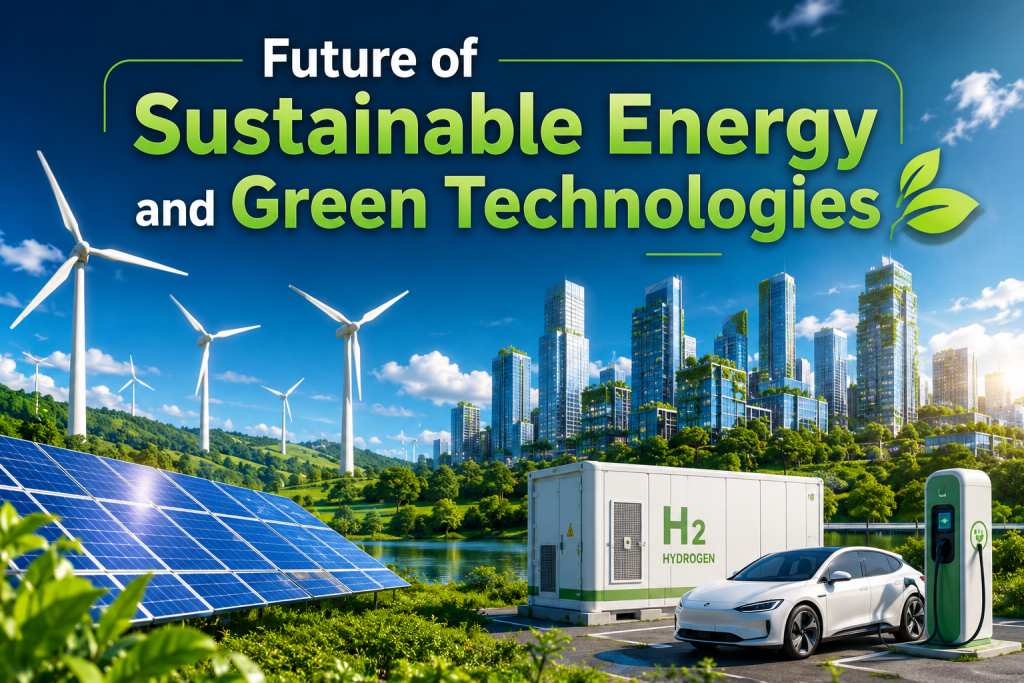
The future of sustainable energy is shaping the way people live, work, and power the world. As climate change, rising energy demand, and environmental concerns continue to grow, countries and industries are investing heavily in cleaner and more efficient energy solutions. Green technologies are no longer considered optional innovations—they are becoming essential for building a sustainable future. From renewable energy sources to smart grids and energy-efficient transportation, technological advancements are helping reduce carbon emissions while supporting economic growth. Governments, businesses, and consumers are increasingly embracing sustainable practices. Renewable energy installations are expanding across the globe, electric vehicles are becoming more common, and companies are focusing on reducing their environmental footprint. These developments are creating new opportunities for innovation, employment, and long-term economic stability. Renewable Energy Is Leading the Transition Renewable energy has become the foundation of the global clean energy transition. Unlike fossil fuels, renewable sources produce electricity without releasing significant greenhouse gases. Solar panels, wind turbines, hydroelectric systems, and geothermal plants are now generating electricity for millions of homes and businesses worldwide. Solar energy continues to experience rapid growth due to declining installation costs and improvements in photovoltaic technology. Modern solar panels generate more electricity with greater efficiency, making them suitable for residential, commercial, and industrial applications. Wind energy is also expanding significantly. Offshore wind farms, in particular, can produce large amounts of electricity because of stronger and more consistent wind conditions. Many countries are investing in offshore projects to diversify their renewable energy portfolios. Hydropower remains one of the most reliable renewable energy sources, while geothermal energy provides consistent electricity generation in regions with suitable geological conditions. Energy Storage Is Transforming Reliability One of the biggest challenges with renewable energy has always been its dependence on weather conditions. Solar panels generate electricity during daylight hours, while wind turbines require sufficient wind speeds. Energy storage technologies are solving this challenge by storing excess electricity for later use. Advanced battery systems, including lithium-ion and emerging solid-state batteries, are becoming more affordable and efficient. These storage solutions help stabilize electricity grids by supplying power during periods of high demand or low renewable generation. Large-scale battery installations are increasingly being paired with solar and wind farms, enabling utilities to deliver reliable electricity throughout the day. Future developments in battery chemistry and alternative storage technologies are expected to improve capacity, lifespan, and affordability. Smart Grids and Digital Energy Management The modernization of electricity infrastructure is another important aspect of sustainable energy. Smart grids use digital communication, sensors, and artificial intelligence to monitor electricity generation, transmission, and consumption in real time. These intelligent systems improve grid efficiency by balancing electricity supply and demand automatically. Smart meters also allow households and businesses to monitor their energy usage more accurately, encouraging energy conservation and reducing unnecessary consumption. Artificial intelligence is helping utility companies predict electricity demand, detect equipment failures before they occur, and optimize renewable energy integration. This digital transformation is making energy systems more resilient and efficient. Electric Transportation Is Accelerating Transportation is one of the largest contributors to global carbon emissions. Green technologies are transforming this sector through the rapid adoption of electric vehicles (EVs), hydrogen-powered transportation, and sustainable fuels. Electric cars are becoming increasingly affordable as battery prices decline and charging infrastructure expands. Governments are offering incentives to encourage consumers and businesses to switch from gasoline-powered vehicles to cleaner alternatives. Public transportation is also evolving, with electric buses, trains, and delivery vehicles reducing emissions in urban areas. Hydrogen fuel-cell technology is emerging as a promising solution for heavy-duty trucks, shipping, and aviation, where battery-powered systems may face limitations. Green Buildings and Energy Efficiency Sustainability extends beyond electricity generation into the design and operation of buildings. Green construction practices prioritize energy efficiency, resource conservation, and environmentally friendly materials. Modern buildings increasingly incorporate solar panels, energy-efficient insulation, LED lighting, smart climate control systems, and rainwater harvesting technologies. These features significantly reduce energy consumption while lowering operating costs. Building automation systems powered by artificial intelligence can automatically adjust heating, cooling, and lighting based on occupancy and weather conditions, maximizing both comfort and efficiency. Hydrogen and Emerging Clean Technologies Green hydrogen is gaining attention as a future clean energy solution. Produced using renewable electricity to split water into hydrogen and oxygen, green hydrogen emits no carbon during production or use. Industries such as steel manufacturing, chemical production, and long-distance transportation may benefit significantly from hydrogen-based energy systems. Researchers are also exploring carbon capture technologies, advanced biofuels, and next-generation nuclear reactors as complementary solutions for achieving net-zero emissions. Innovation in these fields continues to attract investment from governments and private companies seeking long-term sustainable energy alternatives. Challenges Ahead Despite impressive progress, several challenges remain. Renewable energy infrastructure requires significant upfront investment, and expanding electricity transmission networks is necessary to connect renewable energy projects to consumers. Critical minerals used in batteries and renewable technologies must be sourced responsibly to minimize environmental and social impacts. Additionally, workforce training and public awareness are essential for supporting the transition to a green economy. Policy consistency, international cooperation, and continued research will play vital roles in overcoming these obstacles. Conclusion The future of sustainable energy and green technologies is filled with opportunity. Renewable power generation, advanced energy storage, smart electricity grids, electric transportation, and green hydrogen are transforming the global energy landscape. As innovation continues to reduce costs and improve efficiency, sustainable energy will become increasingly accessible to individuals, businesses, and governments alike. The transition toward cleaner energy is more than an environmental necessity—it is also an economic opportunity that can create millions of jobs, improve energy security, and support long-term global development. By embracing green technologies today, societies can build a cleaner, healthier, and more resilient future for generations to come.
Posted inTrending

The Future of Sustainable Energy and Green Technologies

The future of sustainable energy is shaping the way people live, work, and power the world. As climate change, rising energy demand, and environmental concerns continue to grow, countries and…
Posted by Dipak June 29, 2026
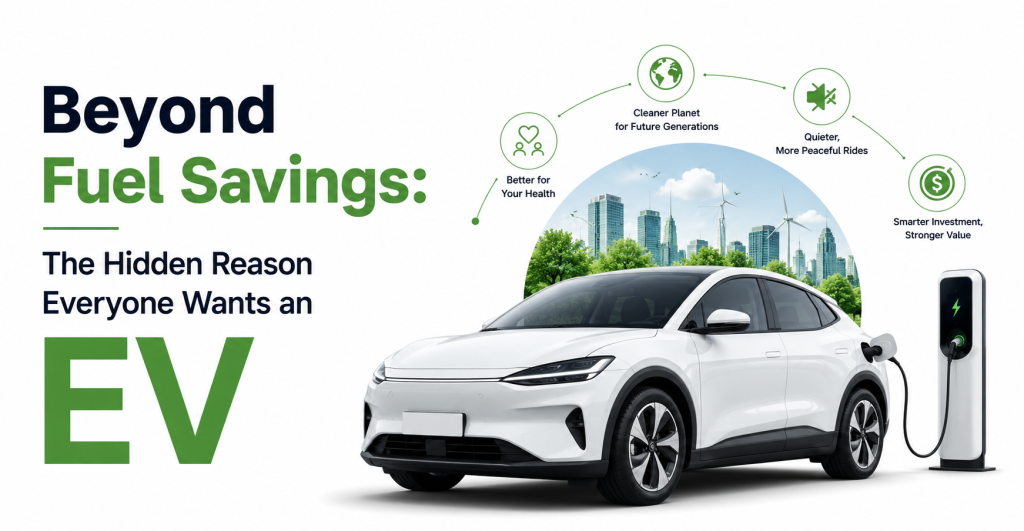
Beyond Fuel Savings: The Hidden Reason Everyone Wants an EV
Posted inTrending

Beyond Fuel Savings: The Hidden Reason Everyone Wants an EV

The Hidden Reason Why Everyone Wants an Electric Car Electric cars are no longer just an environmentally friendly alternative to gasoline-powered vehicles; they are rapidly becoming the symbol of modern…
Posted by Eknath June 25, 2026

Recent Posts

  • Future of Online Payments: Top Trends and Technologies Transforming Digital Commerce
  • The Future of Online Learning: Key Trends Shaping Digital Education
  • Q1 FY27 Earnings Season: Companies to Watch as India Inc. Sets the Market Tone
  • Europe Heatwave 2026: Economic Impact Across Industries
  • Battery Recycling Innovations Transform the Future of Sustainable Energy

Recent Comments

No comments to show.

Archives

  • July 2026
  • June 2026

Categories

  • Business
  • Technology
  • Trending
  • Uncategorized
Search
Categories
  • Business
  • Technology
  • Trending
  • Uncategorized
Archives
  • July 2026
  • June 2026
Copyright 2026 — Daily Markets Trends. All rights reserved.
Scroll to Top